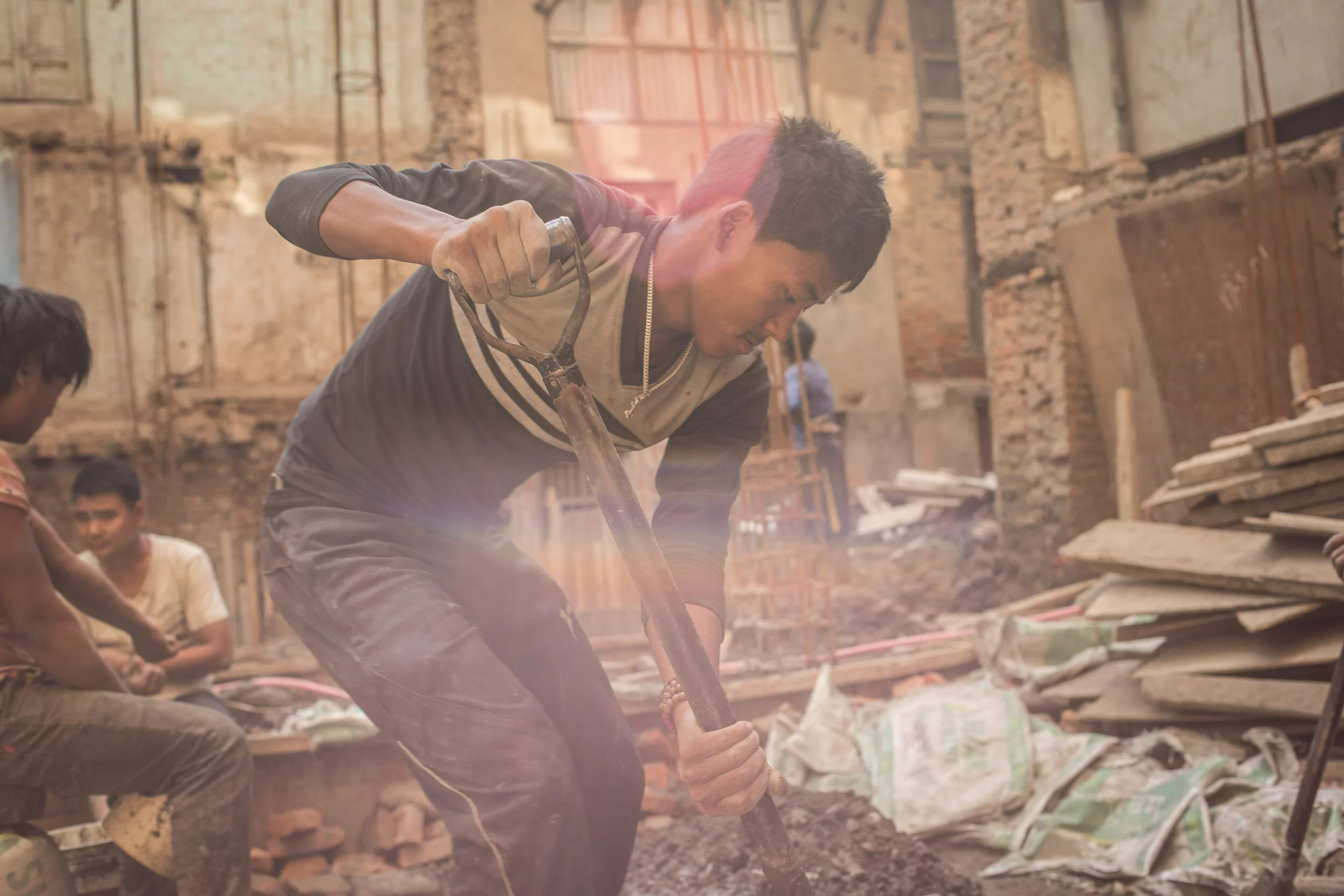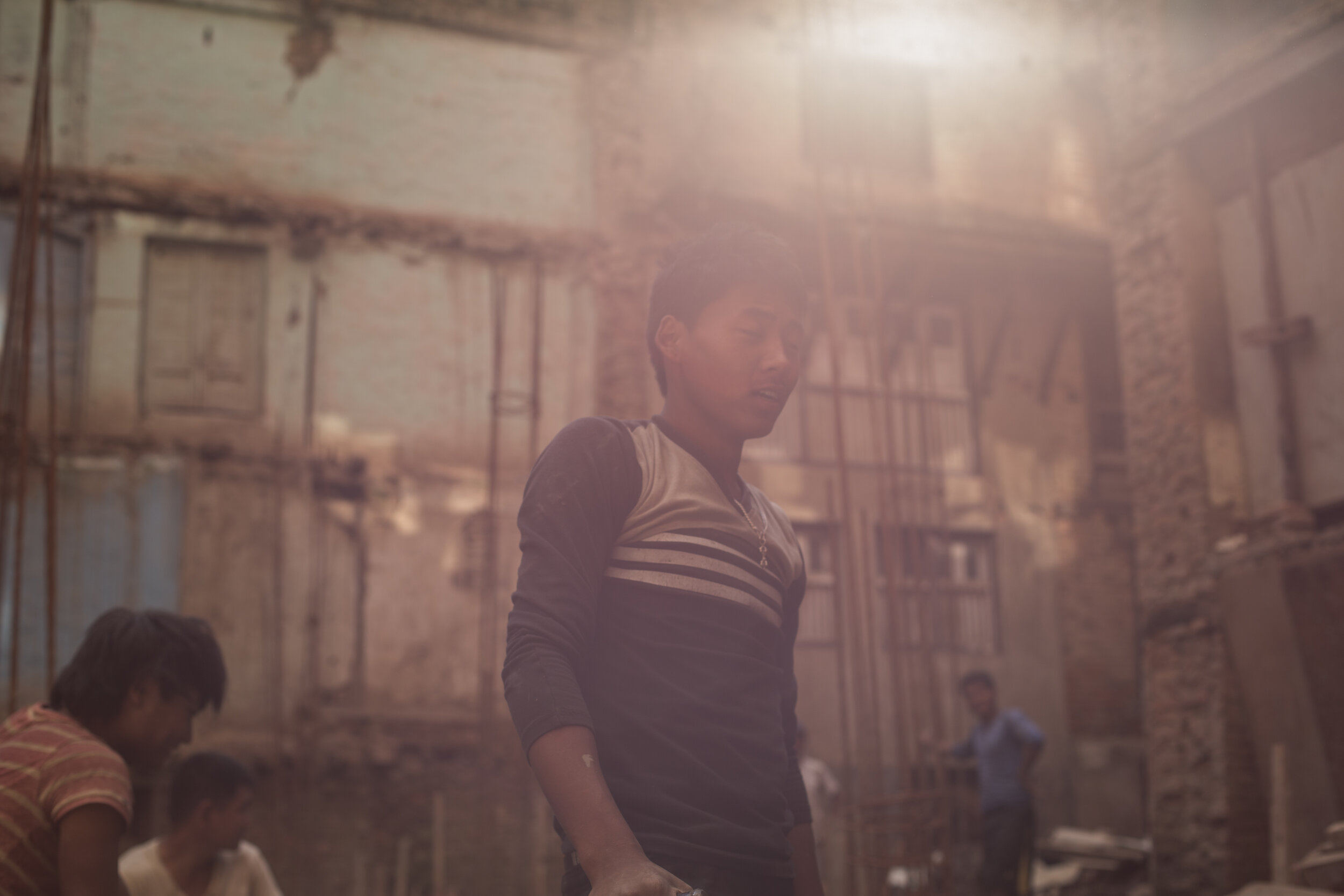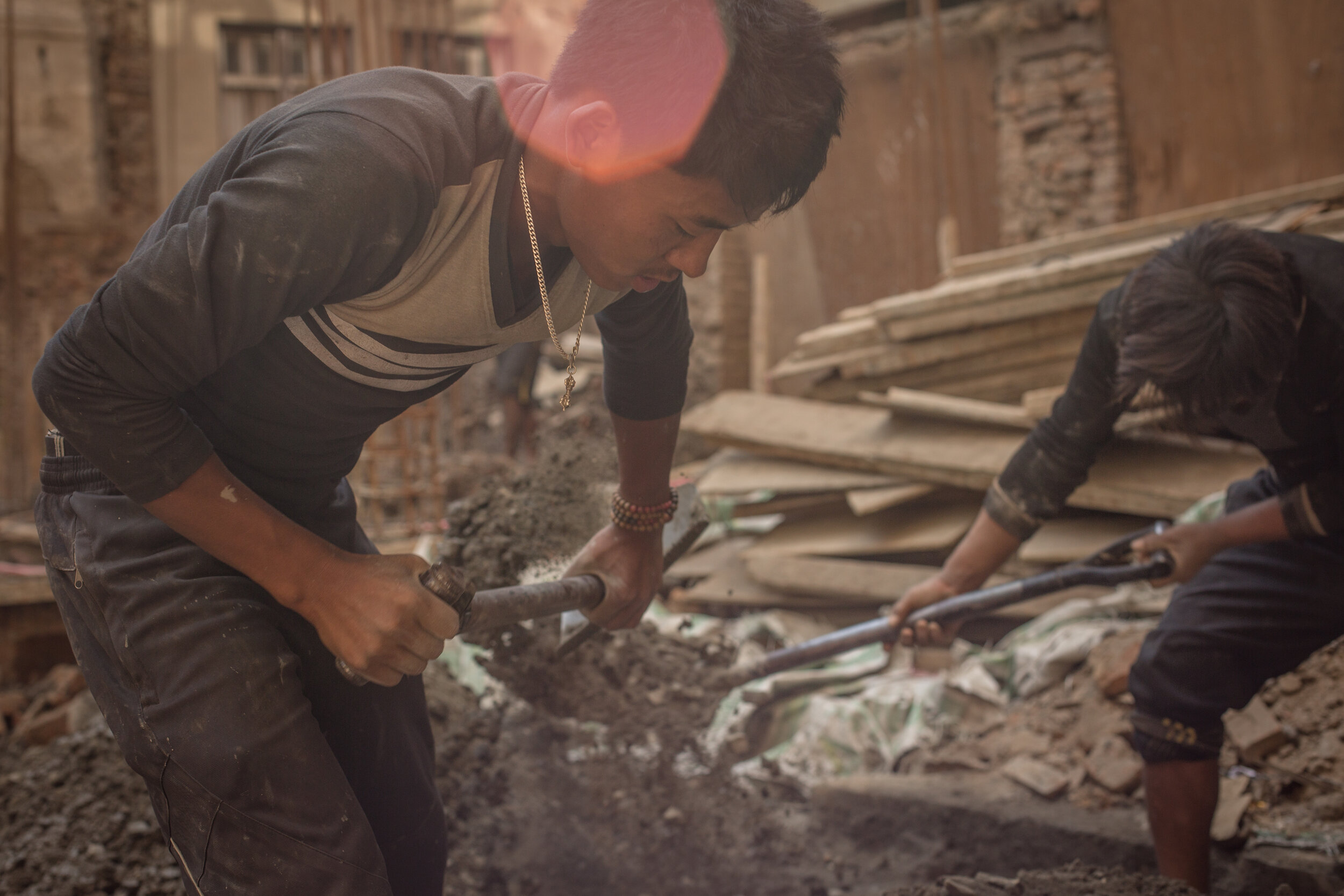


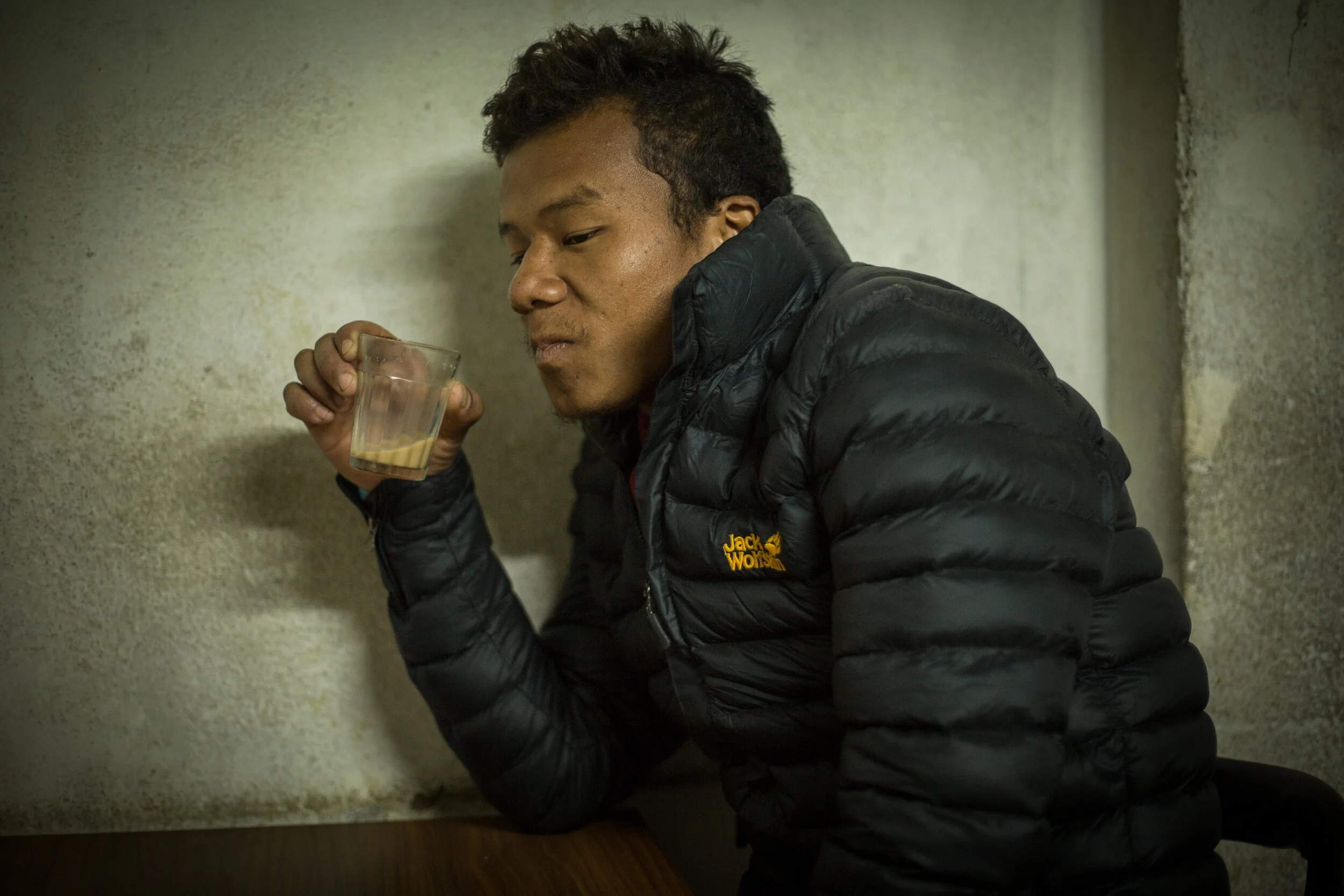

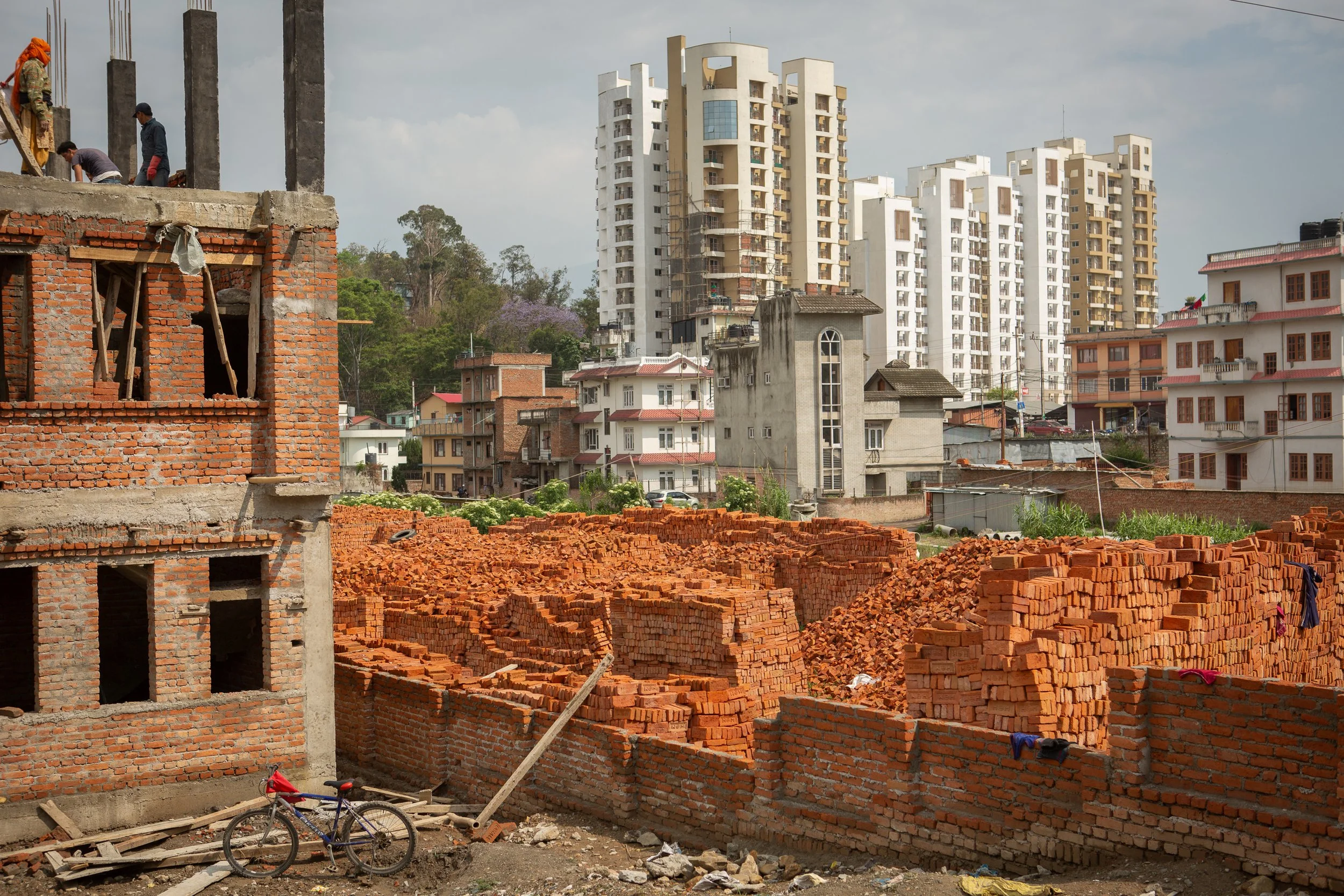
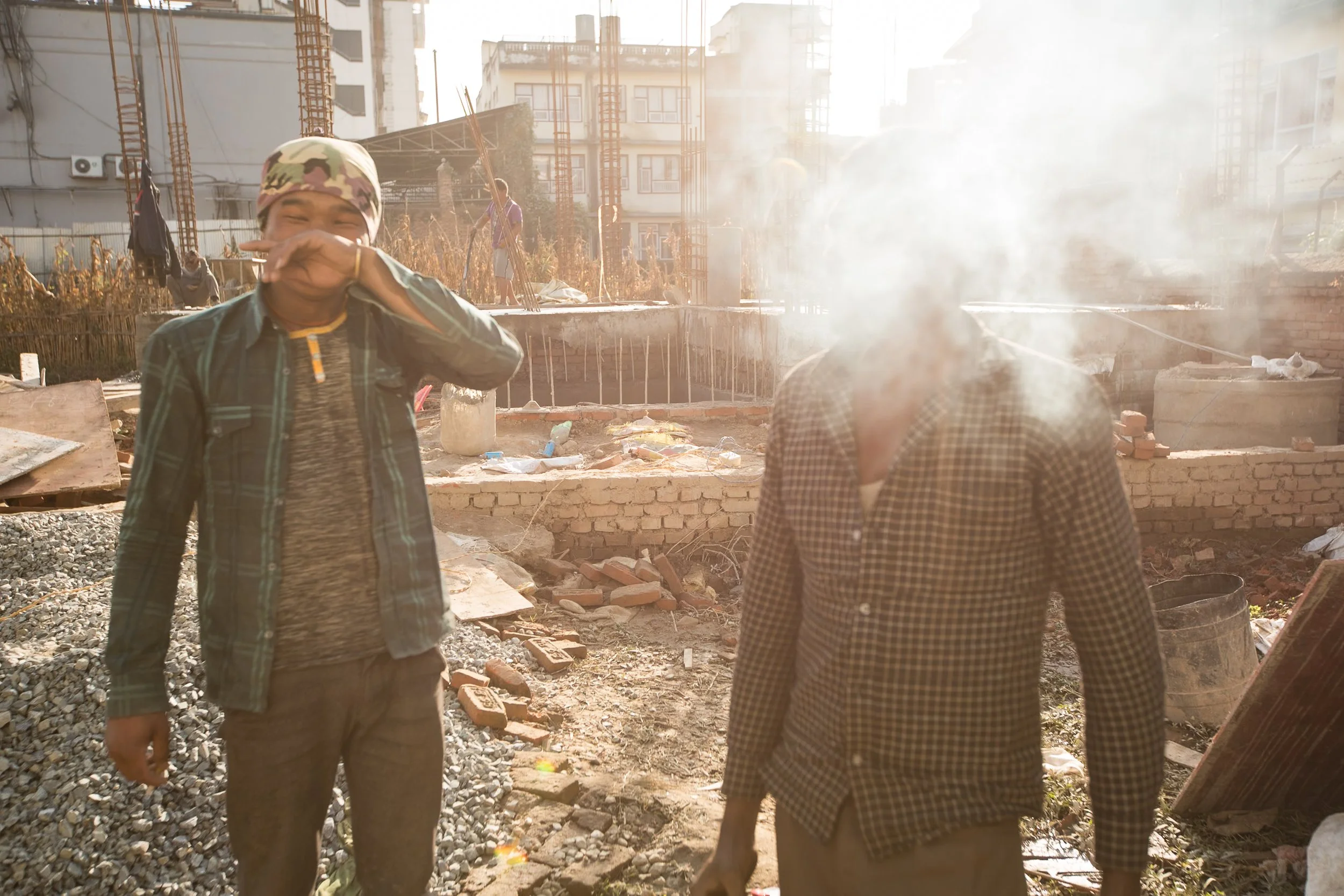




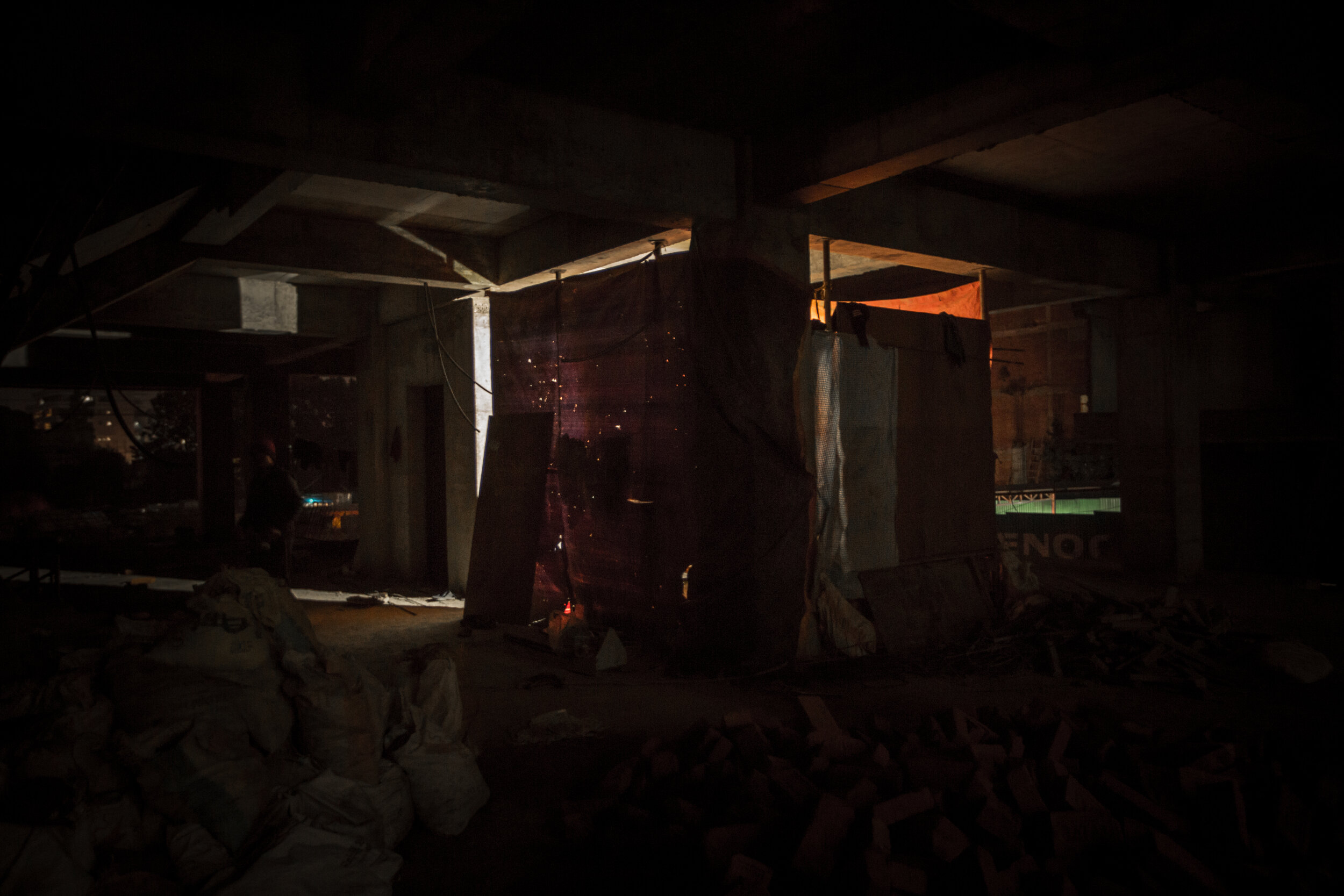



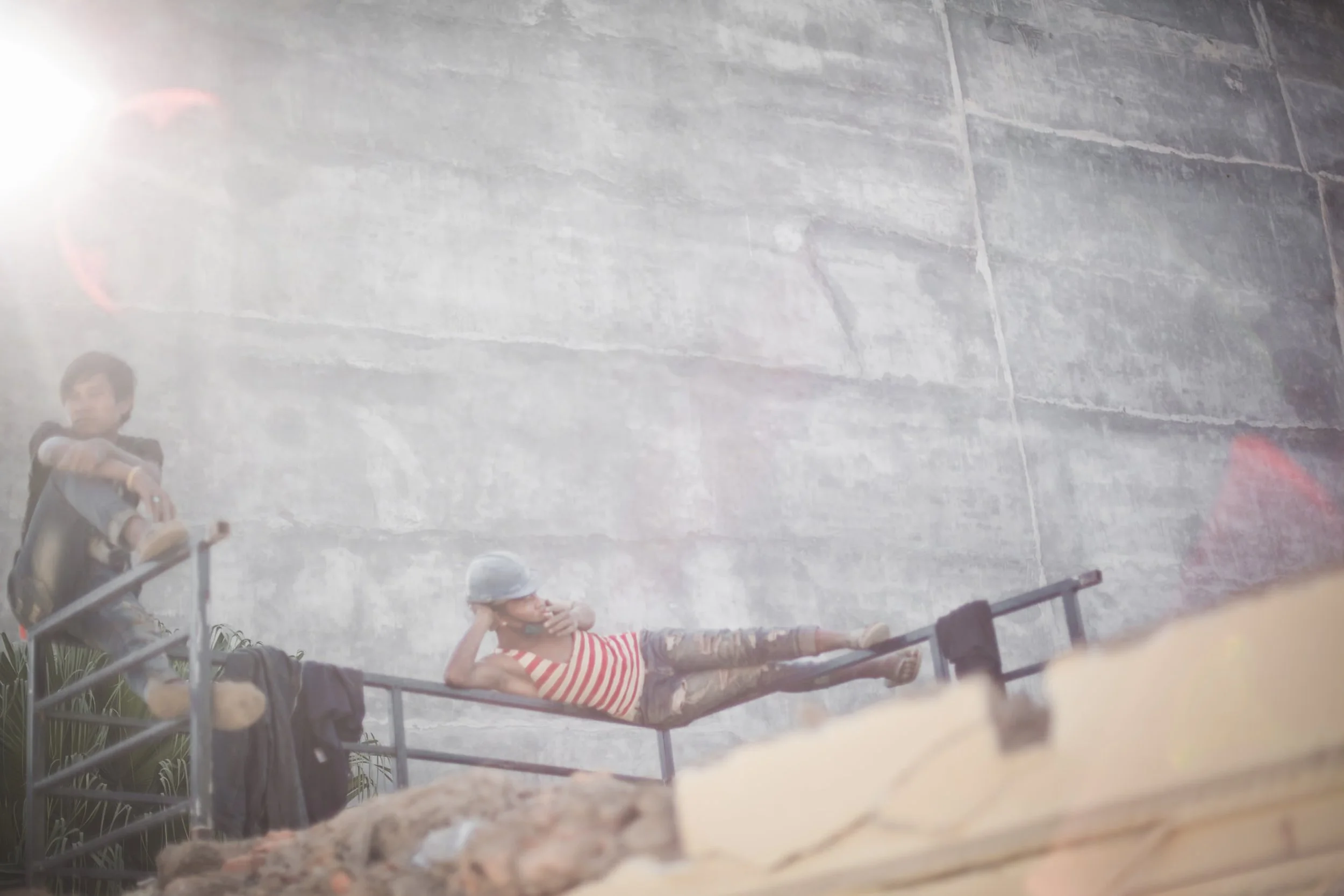


The Becoming follows the journey of working-class boys on the cusp of adulthood in Nepal, set against the relentless sprawl of a city they help shape. Most of the boys and young men who appeared in this project were newly minted transnational migrant workers who had inherited the role from fathers before them, their hands molding both concrete and their identities.
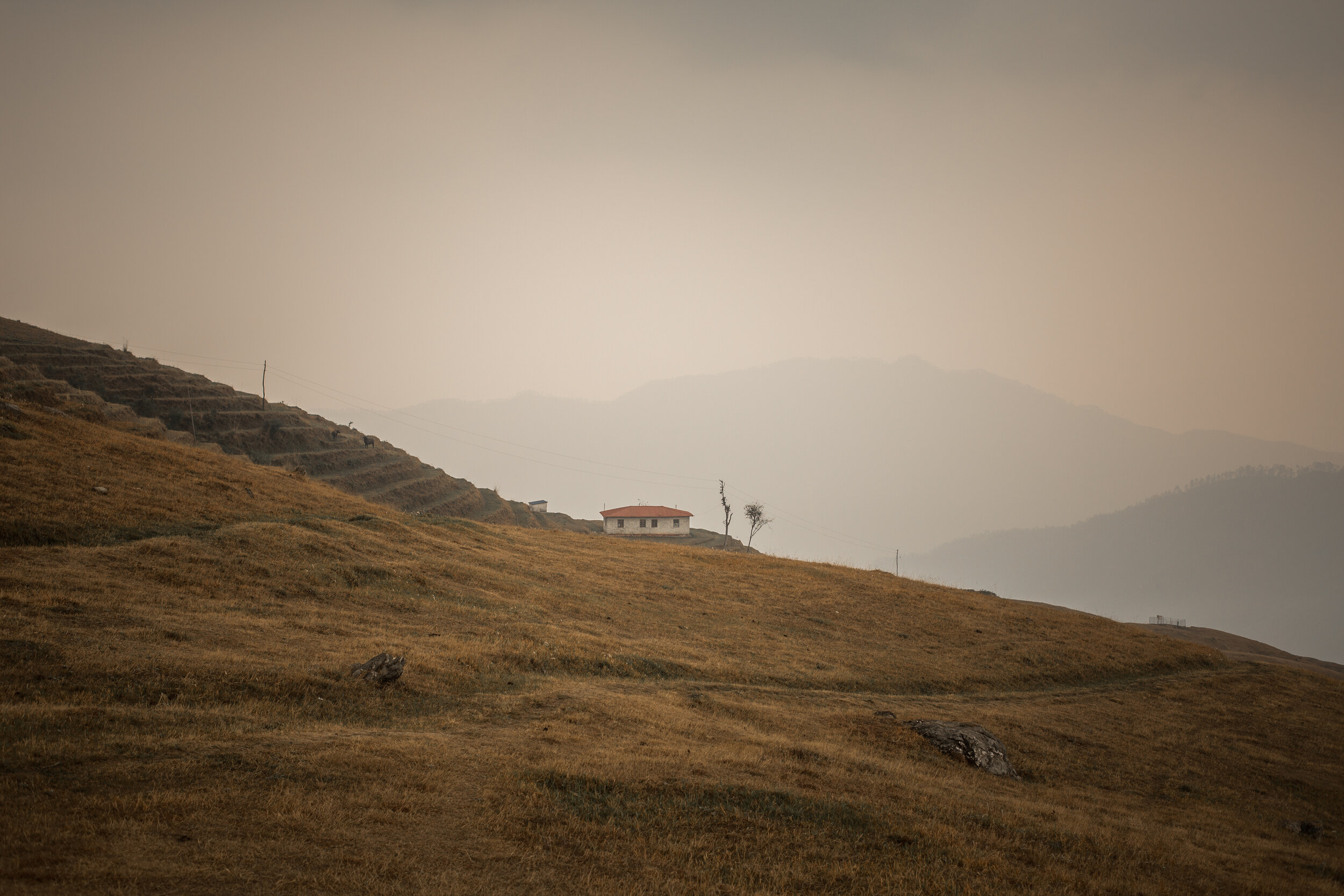
While the project does not explicitly unravel the male hierarchy of Nepal’s layered society, it points to the divide between urban and rural, where these young men, shaped by the fields and hills, arrive as outsiders. For them, masculinity is a dance with economic barriers, a pursuit of respect. Kathmandu becomes the proving ground, a step before they cast their eyes further, toward foreign lands that promise more.
Their transient lives tell stories of upheaval, a chaos of failed negotiations, silent, expectations, and sometimes violence that marks their passage into manhood. Often, marriages were arranged without their consent, and children were subsequently born and raised largely without them, as work kept them away. Emotional connections feel distant, yet they carry on with a tender stoicism. In their silence, I came to see a forced resilience that forges society’s image of true men.
—————————————————————————————————————————————————————————————————
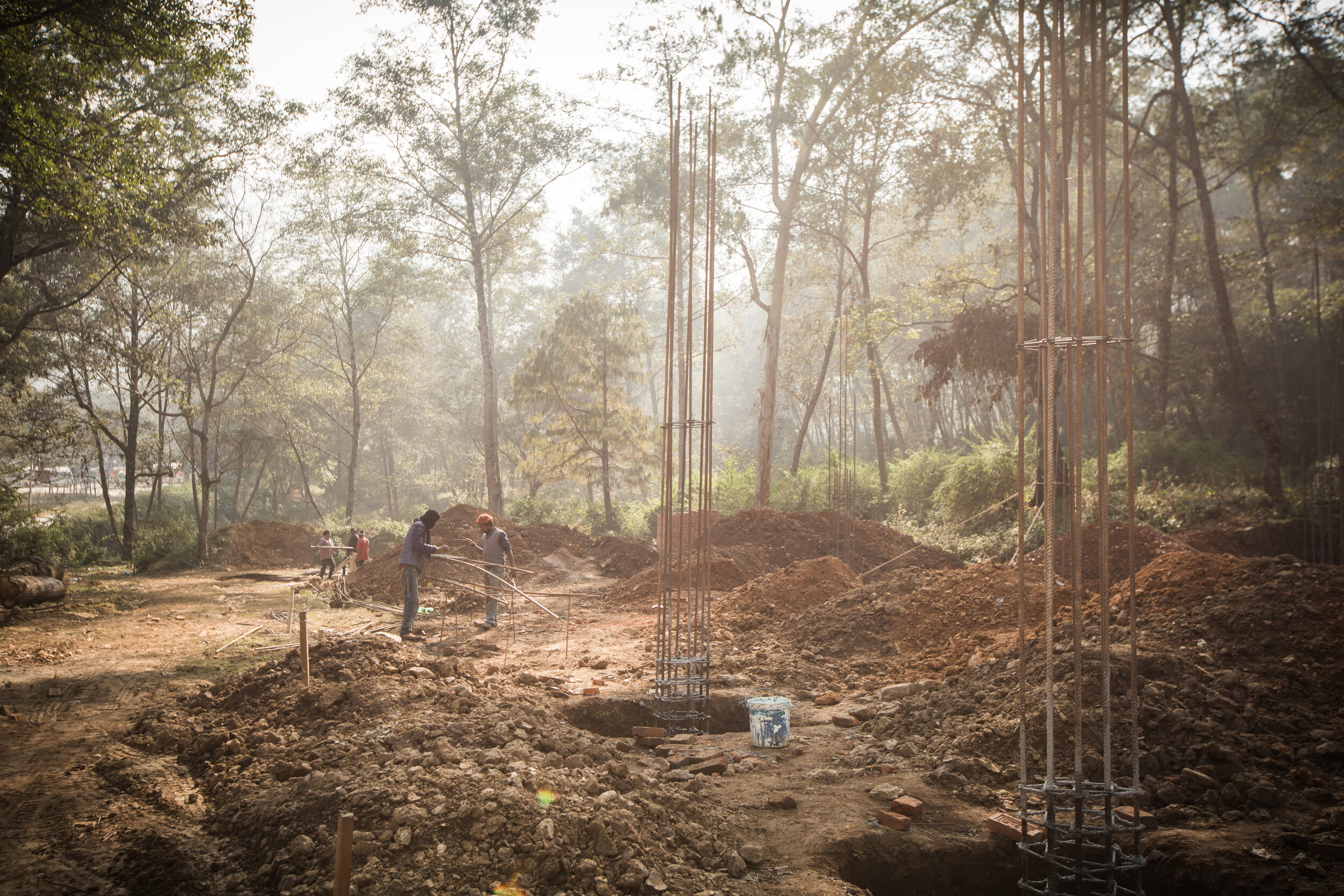
The Becoming started more as a curiosity. In 2014, when I arrived in Nepal to document the stateless population, I caught sight of young silhouettes cutting through the pitch-dark night at construction sites. Something about these mysterious fellows sparked a distant memory of mine: a story my mother told me in secrecy about my father, about him forging his early days managing and living on Taiwan’s construction sites in the late ’70s and early ’80s.
Even though these events had occurred in different cities and across different times, the social expectations for young men on the fringes, striving to rise, felt eerily familiar, at least to me.
In some ways, I was trying to find clues through my lens and through the young men, to find answers about my fractured relationship with my father. Even though it wasn’t the only motive that drove this project, it was enough to propel me to revisit these youngsters year after year.
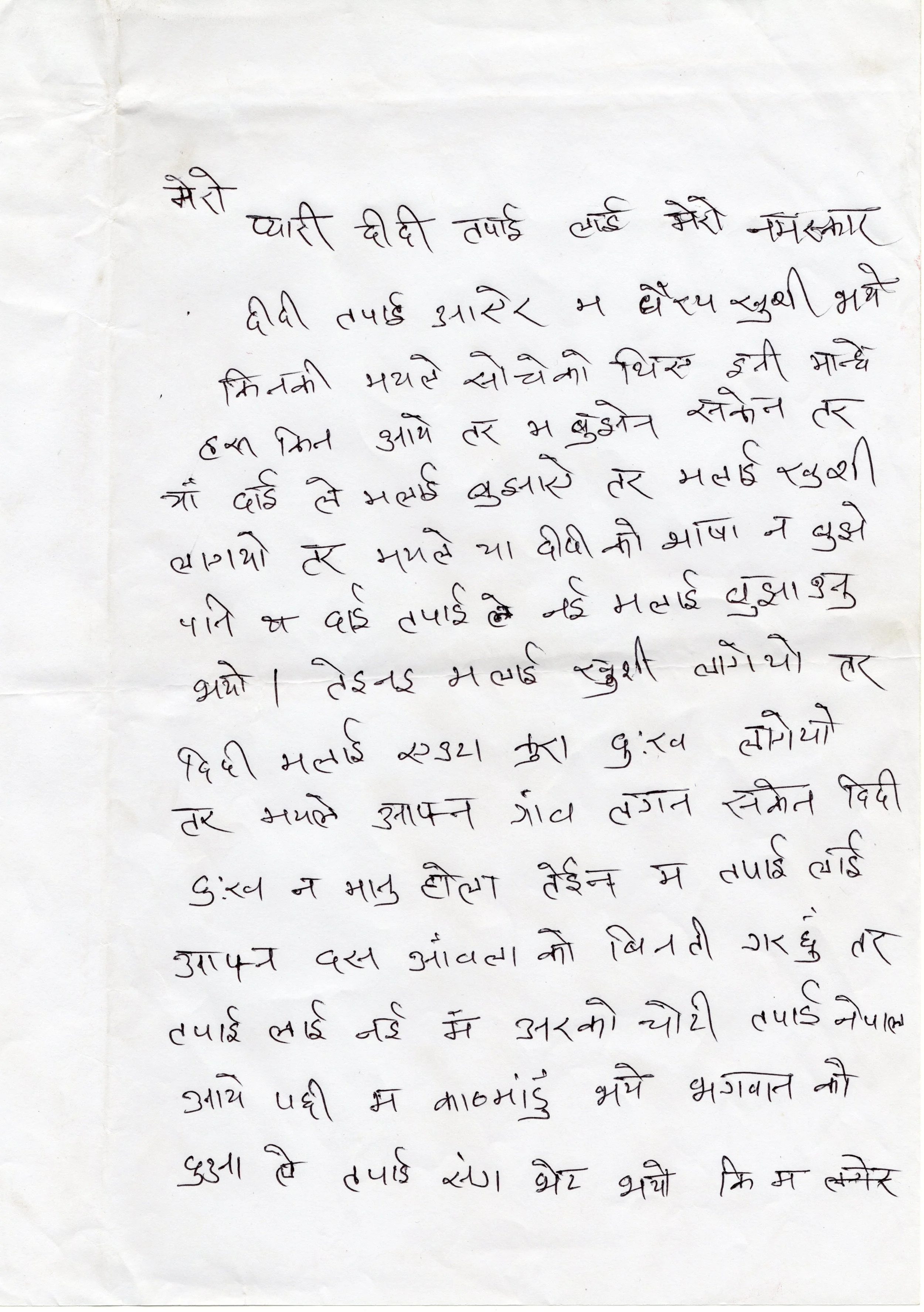
The young men remained mysterious and anonymous, in large part, despite my having spent weeks and months attempting to get to know them. They would disappear without a trace, leaving jobs overnight without explanation or even collecting their pay, only to resurface on social media or through random phone calls once in a blue moon.
Despite the hardship and despair many of these young men experienced, their time in the city was filled with a great amount of adventure too, seeing and exploring places beyond their hometowns, eating fast food, and chasing after the latest fashion.
The Becoming